The Rights Structure That Causes National Team Matches and Professional Leagues to Have Different Official Broadcasters
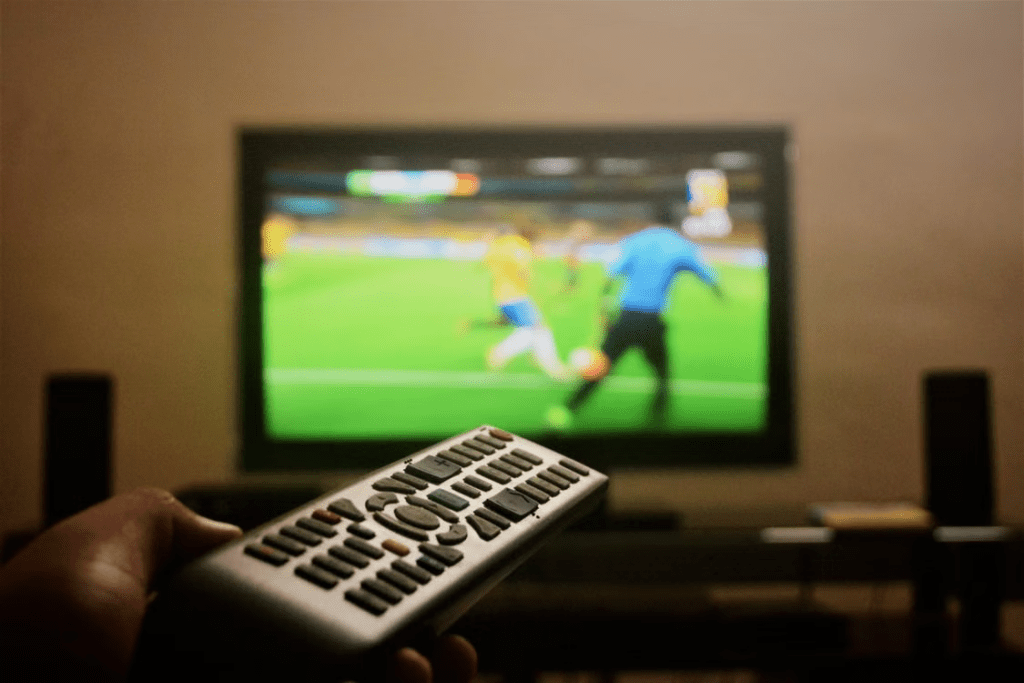
Fans are often surprised when a national team match is broadcast on one TV channel or streaming platform, while the domestic professional league for the same sport appears somewhere else. This happens in football, basketball, volleyball, rugby, cricket, and many other sports.
The difference is not caused by the sport itself but by how broadcast rights are sold. National team competitions and professional leagues are treated as separate media products, each with its own rights holder, licensing agreements, and broadcast contracts. Owning the rights to one competition does not automatically include the other.
Understanding this rights structure makes it much easier to know why broadcasters change throughout the season and where to look for the official live coverage of a specific match.
Different Competitions Create Separate Broadcast Rights
When a broadcaster negotiates a media rights agreement, it is not buying the rights to all football or all basketball. Instead, each competition is licensed separately under its own commercial agreement. In football alone, competitions such as the FIFA World Cup, FIFA World Cup qualifiers, the AFC Asian Cup, the UEFA European Championship, the Premier League, the K League, the J.League, and the UEFA Champions League are all treated as independent media properties.
Because these competitions are sold separately, a broadcaster that holds the rights to the Premier League does not automatically gain the right to televise World Cup qualifiers or other international tournaments. Likewise, a platform that broadcasts the FIFA World Cup may not carry domestic league matches during the regular season.
The same licensing model is used across many other sports. Domestic leagues, continental competitions, and international tournaments are negotiated independently, allowing different broadcasters to acquire different packages. As a result, the competition itself—not the sport—determines which broadcaster is authorized to show a particular match.
The Rights Holder Can Change From One National Team Match to Another

Many people assume every national team match belongs to the same broadcaster. In reality, the rights holder may change depending on the competition and who organizes the match.
For example, a national team might play:
- a FIFA tournament,
- a continental championship,
- a qualifying competition,
- a friendly match,
- or another officially sanctioned event.
Each competition can have its own media rights agreement.
Even friendly matches are not always handled in the same way. Commercial promoters, host associations, or national federations may negotiate broadcasting arrangements depending on how the event is organized.
This explains why fans sometimes see one broadcaster showing a World Cup qualifier and a different broadcaster carrying the team’s next friendly match only a few weeks later.
Why Broadcasters Do Not Automatically Carry Both Packages
Because national team competitions and professional leagues are licensed separately, broadcasters must negotiate for each rights package on its own. Every agreement has its own bidding process, contract duration, licensing terms, territorial scope, and commercial value. As a result, securing the rights to one competition does not automatically include the rights to another, even if both belong to the same sport.
Commercial strategy is another important factor. Some broadcasters prioritize major international tournaments because they attract exceptionally large audiences over a relatively short period. Others focus on domestic leagues, which provide regular matches throughout the season and help maintain consistent viewership or subscriber retention. The value of a rights package depends not only on its popularity but also on how well it fits a broadcaster’s business model, programming schedule, and target audience.
For this reason, different broadcasters often end up holding different competitions. A company can acquire both national team and professional league rights, but it must negotiate and purchase each package through separate agreements rather than a single contract covering the entire sport.re both national team and league rights. However, this happens through separate agreements rather than a single contract covering every competition.
Territory, Platform, and Contract Period Also Affect Where You Can Watch
Broadcast rights are not only divided by competition but also by territory and distribution platform. A broadcaster may hold the rights to a tournament in one country while a different company owns the rights in another, which is why the same match can appear on different channels or streaming services depending on where viewers are located.
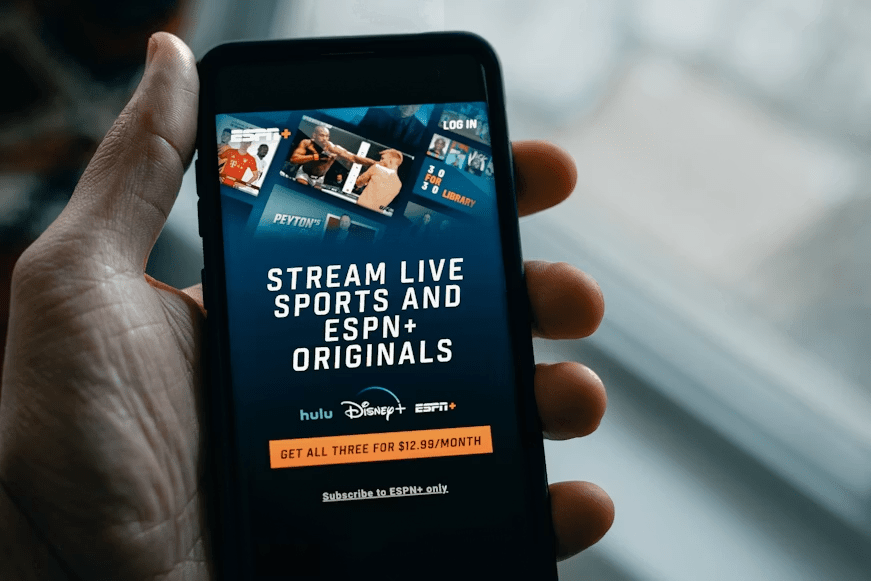
The rights themselves are often split into multiple packages based on how the content is delivered. Separate agreements may cover free-to-air television, pay TV, streaming services, mobile platforms, highlights, or delayed broadcasts. This allows rights holders to license different forms of coverage to different media companies instead of granting every right to a single broadcaster.
Broadcast partners can also change when an existing contract expires. Leagues and tournament organizers typically award media rights for a fixed term, often lasting several years. Once that agreement ends, a new bidding process determines who will carry the competition during the next cycle. As a result, a league or tournament that has appeared on the same platform for years may move to a different broadcaster even though nothing about the competition itself has changed.
How to Find the Official Broadcaster for a Specific Match
If you are unsure where an upcoming match will be broadcast, identifying the competition is the most reliable starting point.
First, determine exactly which event the match belongs to. Is it a domestic league match, a cup competition, a continental championship, a World Cup qualifier, or a friendly?
Once you know the competition, check the official website or official social media channels of the organizer. Competition organizers typically announce their authorized broadcast partners before the event begins.
After identifying the official broadcaster, verify that the information applies to your country or region. Media rights are licensed by territory, so the broadcaster listed for another country may not have permission to show the match where you live.
It is also worth checking the schedule shortly before kickoff. Television channels, streaming services, and secondary platforms sometimes update listings closer to match day, particularly if programming changes or additional coverage is added.
Following this process is far more reliable than searching only by the name of the teams, since two matches involving the same national team can belong to entirely different rights packages.
Understanding who organizes a competition is the key to understanding why broadcasters differ. National team matches and professional leagues are separate commercial products, each with its own rights holder, licensing agreement, and broadcast contract. Once you identify the competition first, finding the official broadcaster becomes much easier, even when the same sport appears on different channels throughout the year.